



Pescatarian Diet: Comprehensive Guide
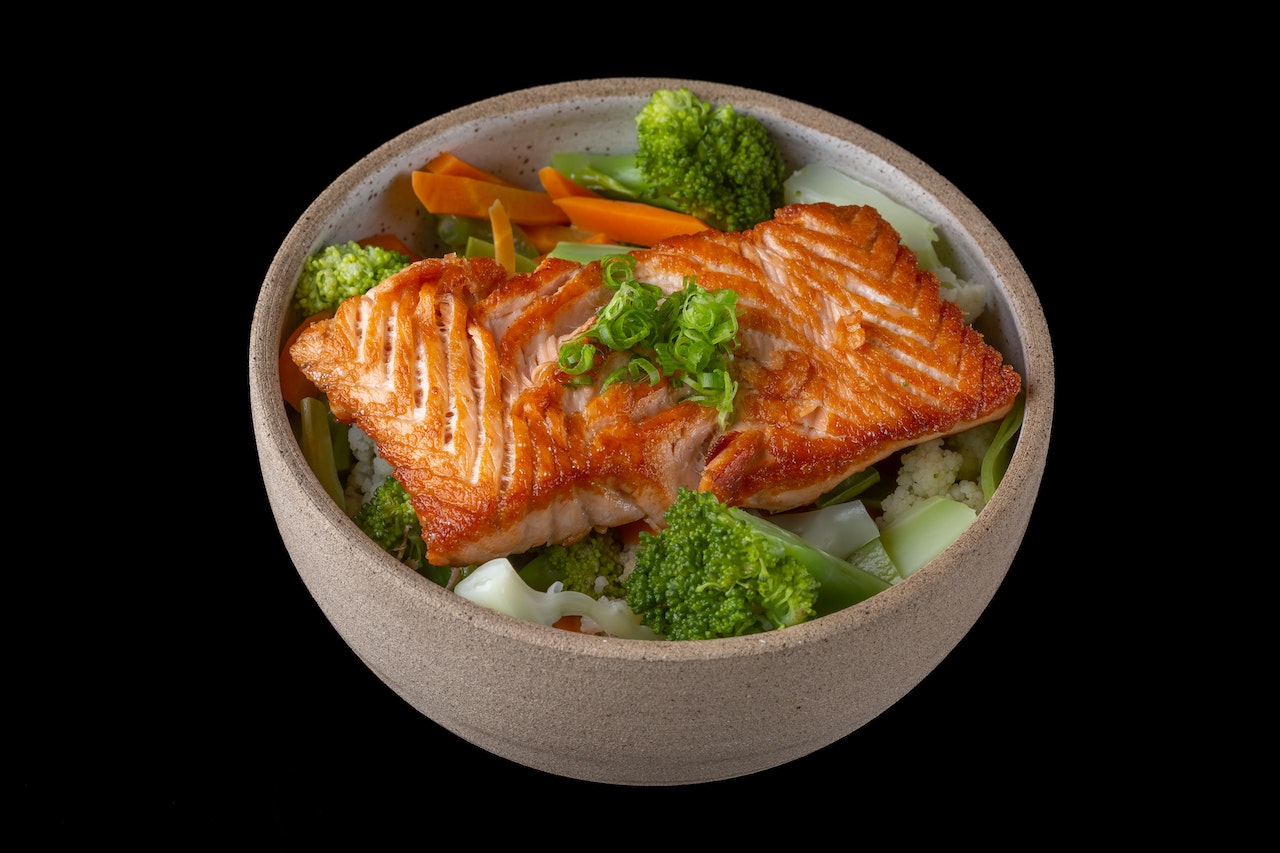
In a world where dietary choices abound, the pescatarian diet stands out as a flexible and sustainable option that combines the health benefits of a vegetarian diet with the inclusion of seafood. Whether you're looking to reduce your carbon footprint, improve your overall health, or simply explore new culinary horizons, the pescatarian diet offers a unique approach to eating that's worth considering.
What Is the Pescatarian Diet?
At its core, the pescatarian diet is a plant-based diet that also includes seafood. This means that pescatarians primarily rely on plant foods like fruits, vegetables, grains, nuts, seeds, and legumes for their daily nutrition. However, they also incorporate fish and other seafood into their meals.
The term "pescatarian" is a blend of two words: "pesce," which is Italian for fish, and "vegetarian." Pescatarians exclude other forms of meat, such as beef, pork, poultry, and game, from their diet. This dietary choice is often motivated by a desire to enjoy the health benefits associated with fish consumption while reducing the environmental impact associated with meat production.
Health Benefits of the Pescatarian Diet
The pescatarian diet offers numerous health benefits, making it an attractive option for those seeking a balanced and nutritious way of eating. Some of the key advantages include:
1. Heart Health: Seafood, especially fatty fish like salmon, mackerel, and trout, is rich in omega-3 fatty acids. These essential fats have been linked to a reduced risk of heart disease by lowering blood pressure, reducing triglycerides, and preventing irregular heartbeats.
2. Weight Management: The pescatarian diet is naturally low in saturated fat and calories. By emphasizing plant-based foods and lean protein sources like fish, it can support healthy weight management and weight loss.
3. Improved Brain Function: Omega-3 fatty acids found in fish are crucial for brain health. They have been associated with better cognitive function, memory, and a reduced risk of age-related cognitive decline.
4. Reduced Cancer Risk: Some studies suggest that diets rich in plant foods and fish may reduce the risk of certain cancers, such as colorectal cancer.
5. Sustainability: Choosing seafood over land-based meats can have a lower environmental impact. Fish and seafood often require fewer resources, produce fewer greenhouse gas emissions, and generally have a smaller ecological footprint compared to livestock.
Foods to Include in a Pescatarian Diet
If you're considering adopting a pescatarian diet, it's essential to know which foods to include to ensure a balanced and nutritious eating plan. Here's a list of foods to focus on:
Fish and Seafood:
- Salmon
- Trout
- Mackerel
- Tuna
- Sardines
- Shrimp
- Cod
- Haddock
- Tilapia
- Crab
- Clams
- Oysters
- Scallops
- Lobster
- Squid (calamari)
Plant-Based Foods:
- Fruits (e.g., berries, apples, oranges, bananas)
- Vegetables (e.g., spinach, kale, broccoli, carrots)
- Legumes (e.g., lentils, chickpeas, black beans)
- Whole grains (e.g., quinoa, brown rice, oats)
- Nuts and seeds (e.g., almonds, walnuts, chia seeds, flaxseeds)
- Dairy or dairy alternatives (e.g., yogurt, milk, cheese, plant-based milk)
Healthy Fats:
- Avocado
- Olive oil
- Coconut oil
Herbs and Spices:
- Basil
- Rosemary
- Turmeric
- Garlic
- Ginger
- Cilantro
- Parsley
Beverages:
- Water
- Herbal teas
- Green tea
Tips for a Successful Pescatarian Diet
Transitioning to a pescatarian diet can be a rewarding journey. To make it a successful and enjoyable experience, consider the following tips:
1. Plan Balanced Meals: Ensure your meals are well-rounded by including a variety of vegetables, whole grains, and lean proteins like fish.
2. Choose Sustainable Seafood: Opt for sustainably sourced seafood to support responsible fishing practices and protect marine ecosystems.
3. Experiment with New Recipes: Explore diverse cuisines and cooking methods to keep your meals exciting and satisfying.
4. Monitor Your Nutrient Intake: Pay attention to essential nutrients like vitamin B12, iron, and calcium. Take in consideration fortified foods or supplements if there is need for that.
5. Practice Portion Control: Keep an eye on portion sizes to maintain a healthy weight and ensure you're meeting your nutritional needs.
6. Stay Hydrated: Drink plenty of water throughout the day to stay well-hydrated and support overall health.
7. Listen to Your Body: Pay attention to hunger and fullness cues, and eat mindfully to prevent overeating.
8. Consult a Dietitian: If you're new to the pescatarian diet or have specific dietary concerns, seek guidance from a registered dietitian for a personalized plan.
The Bottom Line
The pescatarian diet uniquely combines plant-based foods and seafood for a balanced and sustainable approach to eating. Whether you're motivated by health, environmental, or ethical reasons, this dietary choice can support your overall well-being. By including a variety of fish, vegetables, fruits, whole grains, and plant-based foods in your diet, you can enjoy a diverse and satisfying range of meals while reaping the rewards of a heart-healthy lifestyle.