



Nordic Diet: Comprehensive Guide
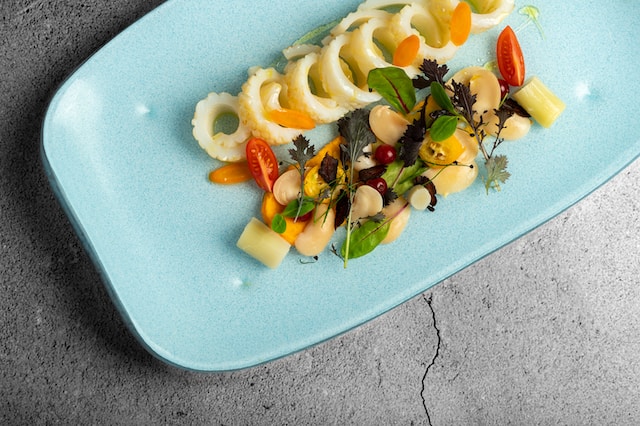
Nordic Diet is rooted in the traditional foods of the Nordic countries - Denmark, Finland, Iceland, Norway, and Sweden-this dietary pattern emphasizes local, seasonal, and nutrient-rich ingredients. In this comprehensive guide, we'll present the Nordic Diet, uncover its key principles, show its health advantages, and learn how to incorporate its delicious and wholesome foods into your daily life.
Understanding the Nordic Diet
The Nordic Diet, often described as the Scandinavian version of the Mediterranean Diet, places a strong emphasis on whole, minimally processed foods that are readily available in the Nordic region. Unlike fad diets that come and go, the Nordic Diet is a sustainable and culturally rooted way of eating that has been practiced for generations. Here are some key characteristics of the Nordic Diet:
1. Abundance of Fruits and Vegetables: Similar to the Mediterranean Diet, the Nordic Diet encourages the consumption of a variety of fruits and vegetables. These colorful foods provide essential vitamins, minerals, fiber, and antioxidants that support overall health.
2. Whole Grains: Whole grains like oats, barley, and rye are staples in the Nordic Diet. They are excellent sources of complex carbohydrates, fiber, and nutrients that promote satiety and steady energy levels.
3. Fatty Fish: Fatty fish such as salmon, mackerel, and herring are rich in omega-3 fatty acids, which are known for their heart-healthy properties. They are regularly featured in Nordic cuisine.
4. Lean Protein Sources: Lean sources of protein, including poultry, game meats, and legumes, are part of the diet. These protein sources are essential for muscle health and overall well-being.
5. Root Vegetables: Nordic countries are known for their root vegetables like potatoes, carrots, and turnips.
6. Rapeseed Oil: Rapeseed oil, also known as canola oil, is the primary source of fat in the Nordic Diet. It is low in saturated fat and high in unsaturated fats, making it a heart-healthy choice.
7. Berries: Nordic berries such as lingonberries, bilberries, and cloudberries are rich in antioxidants. They are frequently consumed in various forms, including jams and sauces.
8. Dairy: Dairy products like yogurt, cheese, and milk are consumed in moderation. They provide calcium and probiotics that support gut health.
9. Sustainability: The Nordic Diet places a strong emphasis on sustainability. It encourages the consumption of locally sourced, seasonal, and organic foods to minimize the carbon footprint.
Health Benefits of the Nordic Diet
The Nordic Diet is renowned for its potential health advantages, supported by numerous scientific studies. Here are some of the notable benefits associated with this dietary pattern:
1. Heart Health: The inclusion of fatty fish, whole grains, and rapeseed oil contributes to heart health by reducing the risk of cardiovascular diseases. Omega-3 fatty acids, in particular, help lower blood pressure and improve lipid profiles.
2. Weight Management: The Nordic Diet's focus on whole, fiber-rich foods and lean proteins can aid in weight management by promoting feelings of fullness and supporting balanced blood sugar levels.
3. Diabetes Prevention: Research suggests that the Nordic Diet may reduce the risk of type 2 diabetes due to its emphasis on whole grains and low-glycemic foods.
4. Antioxidant Protection: Berries, a prominent component of the Nordic Diet, are packed with antioxidants that help combat oxidative stress and inflammation.
5. Improved Gut Health: Probiotic-rich dairy products and the consumption of whole, fiber-rich foods benefit gut health and may reduce the risk of gastrointestinal disorders.
6. Sustainability: By promoting locally sourced and seasonal foods, the Nordic Diet aligns with sustainable food practices that have a positive impact on the environment.
Incorporating the Nordic Diet into Your Life
You don't have to be in the Nordic region to embrace the principles of this wholesome diet. Here are some practical steps to incorporate the Nordic Diet into your daily life:
1. Prioritize Whole Foods: Choose whole grains, fresh fruits, and vegetables as the foundation of your meals. Experiment with recipes that feature root vegetables, such as rutabagas and parsnips.
2. Include Fatty Fish: Aim to incorporate fatty fish like salmon or mackerel into your diet at least twice a week. These kind of fish is rich in omega-3s and in the same time is delicious.
3. Opt for Lean Proteins: Select lean protein sources like poultry, legumes, and game meats. Consider adding beans or lentils to soups and stews for added protein and fiber.
4. Embrace Rapeseed Oil: Replace less healthy cooking oils with rapeseed oil. It has a mild, nutty flavor and works well in salad dressings, marinades, and sautéing.
5. Enjoy Berries: Incorporate Nordic berries into your diet by adding them to yogurt, oatmeal, or smoothies. They provide a burst of nutrition.
6. Seasonal and Local: Whenever possible, choose seasonal and locally sourced foods. Supporting local farmers' markets is a great way to align with the sustainability aspect of the diet.
7. Mindful Eating: Practice mindful eating by savoring each bite, eating slowly, and paying attention to your body's hunger and fullness cues.
8. Hydration: Stay hydrated with water and herbal teas. Limit sugary beverages and excessive coffee consumption.
9. Balanced Meals: Aim for balanced meals that include a variety of food groups. This will help ensure you receive a wide range of nutrients.
10. Sustainability: Consider the environmental impact of your food choices. Reducing food waste and supporting sustainable farming practices can contribute to a healthier planet.
The Bottom Line
The Nordic Diet is more than just a way of eating; it's a holistic approach to nourishing your body while respecting the environment. By embracing the principles of this diet, you can enjoy a wide variety of delicious and nutrient-rich foods that promote health and well-being. Whether you're looking to improve heart health, manage your weight, or simply savor the flavors of Nordic cuisine, this dietary pattern offers a path to a healthier you and a more sustainable world. So, why not embark on a Nordic culinary adventure and experience the benefits for yourself? Your taste buds and your well-being will thank you.