



Paleo Diet Comprehensive Guide
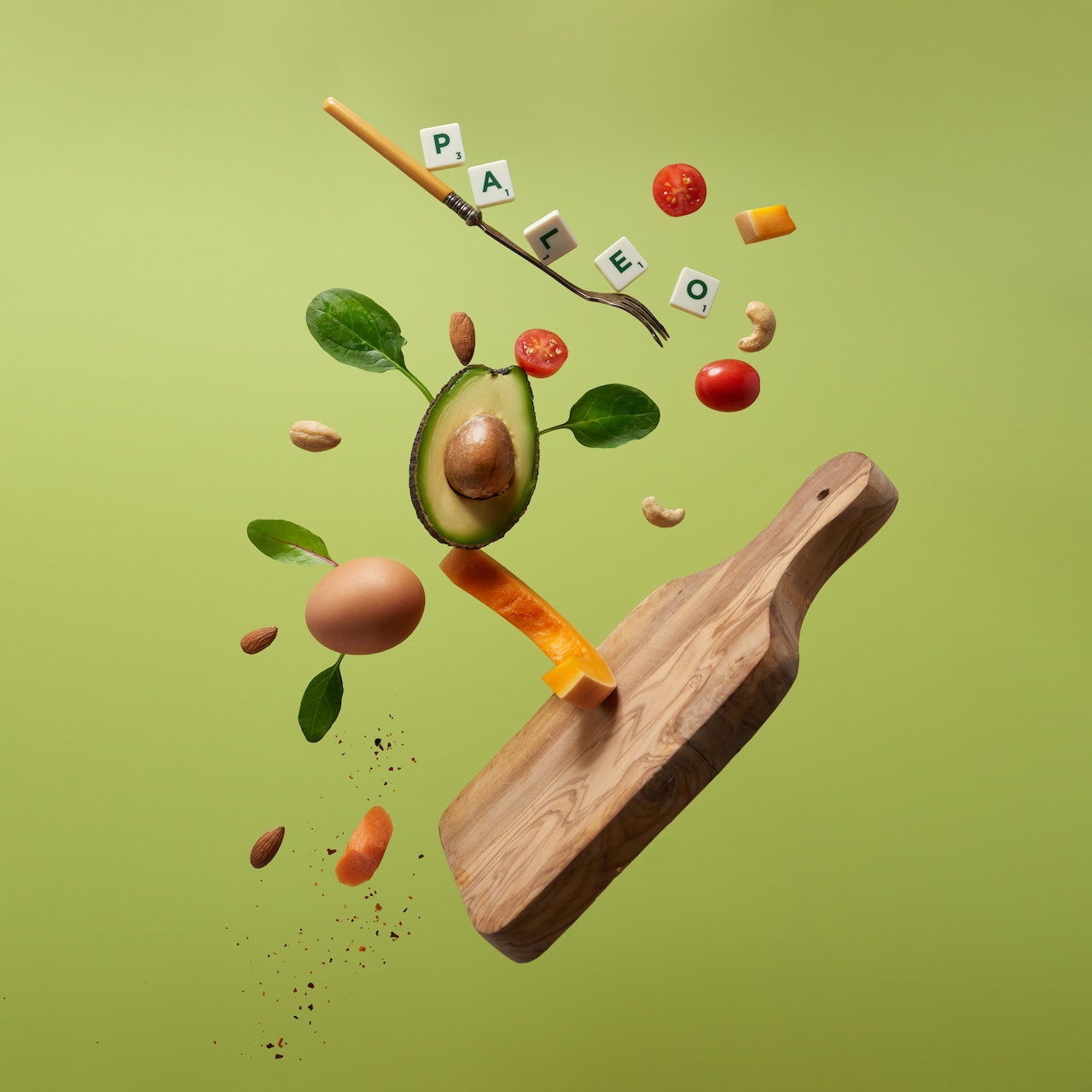
Paleo diet stands out as a popular and time-tested approach to achieving better health and well-being. Also known as the Paleolithic or caveman diet, it draws inspiration from the eating patterns of our ancient ancestors who lived during the Paleolithic era, a period roughly 2.5 million to 10,000 years ago. This dietary approach emphasizes consuming whole, unprocessed foods that mimic what our hunter-gatherer forebears would have eaten. In this comprehensive guide, we'll delve into the fundamentals of the Paleo diet, explore its potential benefits, and provide practical tips for integrating it into your lifestyle.
Understanding the Paleo Diet
The primary principle of the Paleo diet is simple: eat real food. This approach encourages the consumption of whole foods while avoiding processed, refined, and artificial ingredients. Here are some key components of the Paleo diet:
1. Lean Proteins: The foundation of the Paleo diet is protein. It encourages the consumption of lean, grass-fed meats, such as beef, lamb, and poultry, as well as wild-caught fish and seafood. These protein sources are rich in essential amino acids, promoting muscle growth, repair, and overall health.
2. Fruits and Vegetables: A diverse array of colorful fruits and vegetables provides essential vitamins, minerals, and antioxidants. These foods offer numerous health benefits and are central to the Paleo diet's emphasis on nutrient density.
3. Nuts and Seeds: Nuts and seeds are excellent sources of healthy fats, fiber, and protein. They provide sustained energy and are a vital part of the diet. Common choices include almonds, walnuts, chia seeds, and flaxseeds.
4. Healthy Fats: Healthy fats from sources like avocados, olive oil, coconut oil, and nuts are encouraged. These fats play a crucial role in supporting brain health, hormonal balance, and overall well-being.
5. Elimination of Grains: One of the distinctive features of the Paleo diet is the exclusion of grains, including wheat, rice, oats, and corn. This decision is based on the belief that grains were not a significant part of our ancestral diet and that they can contribute to inflammation and digestive issues in some individuals.
6. Legumes and Dairy: The Paleo diet typically excludes legumes (such as beans and lentils) and dairy products. While these foods can be nutritious, they are avoided due to concerns about anti-nutrients and potential allergens.
7. Processed Foods: Highly processed foods, laden with artificial additives, refined sugars, and unhealthy fats, are strictly avoided on the Paleo diet.
Benefits of the Paleo Diet
Proponents of the Paleo diet cite several potential benefits associated with this way of eating:
1. Improved Weight Management: The emphasis on whole, nutrient-dense foods can naturally lead to better weight management. Many people find that they consume fewer calories while feeling more satisfied.
2. Enhanced Nutrient Intake: By focusing on fruits, vegetables, lean proteins, and healthy fats, the Paleo diet provides a wide range of essential nutrients. This can support your health and lower the risk of deficient of nutrients.
3. Better Blood Sugar Control: Some individuals experience improved blood sugar control and insulin sensitivity on the Paleo diet, which may be beneficial for those with type 2 diabetes or prediabetes.
4. Increased Satiety: Protein and fiber-rich foods in the Paleo diet can help regulate appetite and promote feelings of fullness, potentially reducing overeating.
5. Gut Health: Eliminating grains and legumes, which contain compounds that can irritate the gut lining, may benefit those with digestive issues.
6. Anti-Inflammatory Effects: The diet's emphasis on whole foods and healthy fats may reduce inflammation in the body, potentially lowering the risk of chronic diseases.
7. Allergen Elimination: For individuals with food sensitivities or allergies to grains and dairy, the Paleo diet can provide relief from symptoms.
Practical Tips for Embracing the Paleo Lifestyle
Transitioning to the Paleo diet can be a rewarding journey towards better health and vitality. Here are a few practical tips to help you to begin:
1. Educate Yourself: Before diving in, take the time to learn about the Paleo diet's principles, guidelines, and food choices. Understanding the reasoning behind these choices can make the transition smoother.
2. Stock Your Kitchen: Remove processed foods, grains, and dairy products from your pantry and replace them with Paleo-friendly alternatives. Stock up on fresh produce, lean meats, nuts, and healthy fats.
3. Plan Balanced Meals: Focus on creating well-balanced meals that incorporate a variety of protein sources, plenty of vegetables, and healthy fats. Experiment with new recipes to keep things exciting.
4. Practice Mindful Eating: Pay attention to your body's hunger and fullness cues. Eat slowly and savor your meals to enhance the dining experience.
5. Stay Hydrated: Drink plenty of water throughout the day to support overall health and well-being.
6. Be Flexible: While the core principles of the Paleo diet remain constant, remember that it's okay to adapt the diet to your individual needs and preferences. Some individuals choose to incorporate certain foods like dairy or legumes in moderation.
7. Seek Guidance: If you have specific health goals or dietary concerns, consider consulting with a healthcare professional or registered dietitian who can provide personalized guidance.
Final Word
The Paleo diet offers a back-to-basics approach to nutrition, emphasizing whole foods and avoiding processed, modern conveniences. While it may not be suitable for everyone, many individuals find success in adopting this ancestral way of eating. As with any dietary approach, it's essential to listen to your body, monitor your health, and make adjustments as needed to ensure it aligns with your unique needs and goals. By embracing the Paleo lifestyle, you can start your new journey towards better health, vitality, and well-being.